Operating a power generation facility means working alongside large, concentrated forces of energy. Whether your site manages traditional thermal generation, nuclear assets, or large-scale renewable infrastructure, the primary operational challenge is keeping high-voltage electricity, high-pressure steam, and heavy kinetic machinery safely contained.
Because the sector relies heavily on complex mechanical systems and strict grid deadlines, a single safety lapse can lead to catastrophic plant damage, structural failure, or instant danger to life.
The EMSS National Safety Passport provides a digital safety framework tailored to the high-energy realities of power generation. Rather than acting as a general business overview, this training establishes a clear, verified safety baseline across your permanent operations teams and visiting engineering contractors.
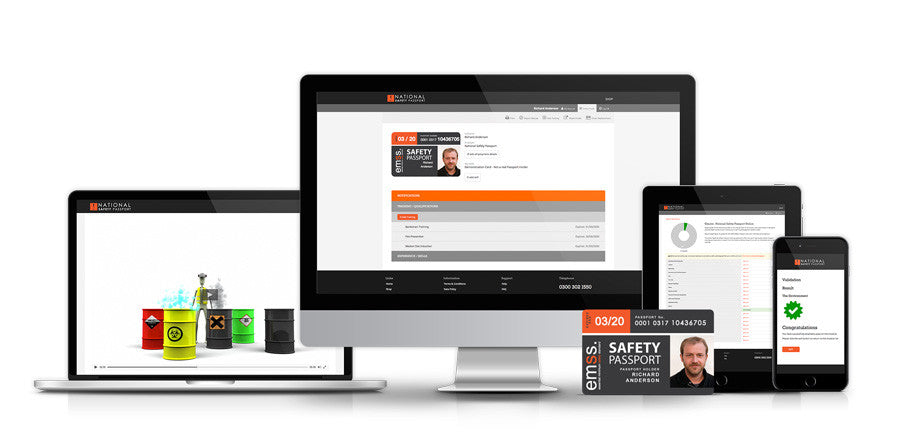
£99.60 inc VAT
Safety Training Modules Built for High-Energy Containment
What workers learn on this course directly addresses the strict rules needed to handle high-voltage networks, pressurised systems, and intense mechanical processes safely.
Controlling Electrical Risks & Arc Flash Hazards
The core risk at any generation site is the substantial volume of live electricity produced and routed. Through the Electricity and Work Equipment training, workers learn to look beyond basic wiring and focus on the dangers posed by high-voltage switchgear, transformers, and substation boundaries.
The course teaches technicians how to identify common risks and carry out strict pre-use checks on heavy electrical plant. This ensures that staff understand their personal duty to report minor insulation or mechanical defects before they cause issues such as a major arc flash incident or a sudden trip on the grid.
Working Around High-Pressure & Pressurised Systems
Power generation regularly involves working near high-temperature steam lines, hydraulic systems, and enclosed vessels that are subject to the strict UK Pressure Systems Safety Regulations. In the module covering excavations and working in confined spaces, workers don’t just learn about tight spaces; they learn how to safely assess the atmospheres of boiler drums, condenser units, storage bunkers, and turbine housings before entering.
The safety training for power generation details the strict emergency escape rules and gas-detection protocols required for these areas. When combined with the module for working at a height, technicians learn how to safely navigate high-level valve galleries, main boiler structures, and high mezzanine floorways using the correct fall-protection equipment.
Managing Kinetic Energy & Mechanical Isolation
With massive turbines, heavy cooling fans, and high-speed pumps constantly running, managing kinetic energy is a daily priority. The Noise and Vibration modules show workers how to protect themselves against the long-term, cumulative damage caused by spending long shifts near high-speed rotating machinery and vibrating plant.
Crucially, the course also enforces a deep respect for site isolation systems. Through the Permit to Work module, contractors and operators learn the absolute necessity of Lockout/Tagout (LOTO) protocols. Learners find out why they must never tamper with a mechanical or electrical isolation lock, ensuring that no steam line, valve, or circuit breaker can be re-energised. At the same time, maintenance work is actively being carried out.
Environmental Control & Chemical Hazards
Power stations are heavily regulated regarding emissions, chemical usage, and waste. Through the Environment and COSHH modules, workers learn how to safely handle specialised plant chemicals, such as water-treatment agents, cooling-tower additives, and turbine lubricants. This way, they learn proper methods for containing leaks, managing spills, and protecting the local environment from accidental industrial discharges.
Keeping Outages & Overhauls on Schedule
The greatest administrative and safety challenge for a power station happens during a planned outage or major overhaul. Moving your safety training online gives station managers a practical way to manage compliance when hundreds of additional workers arrive at once.
Eliminating Gate Delays for Outage Contractors
When a plant shuts down for a summer overhaul or a critical turbine repair, you have to bring in hundreds of specialist contract engineers all at once. If you lose the first morning of a tight shutdown window to a classroom-based safety briefing, it delays your service return and costs thousands of pounds per hour in lost generation.
Our online system allows you to email training tickets directly to your supply chain weeks in advance. Contract welders, turbine specialists, and high-voltage engineers can complete the course at home, meaning they arrive at the security gate fully certified and ready to get straight to work.
Satisfying Statutory Inspections & Grid Insurance Audits
Power generation assets operate under intense regulatory scrutiny, where safety logs are directly tied to your plant’s licence to operate and insurance terms. Because the National Safety Passport enforces a mandatory 100% pass mark across all 21 modules, you secure an unalterable digital ledger that proves every technician understands the boundaries of high-energy risk. If the Health and Safety Executive or an engineering underwriter demands proof of competency during an audit, you can instantly pull up verified compliance data across your entire workforce.
Protecting your asset's grid synchronisation requires strict human risk management. Embedding this standard into your station's safety culture ensures that operations directors can track rolling three-year renewals easily, reduce liability for third-party contractor errors, and ensure everyone on-site is actively protecting your physical infrastructure and your connection to the National Grid.